📍 Venice Lagoon, Italy

Murano and Burano: Venice's Most Magical Islands

Two islands, one unforgettable journey — from ancient glassblowing furnaces to streets painted every colour of the rainbow. Whether you join a guided tour or explore independently, a day in the Venetian lagoon will stay with you long after you leave.

Discover Two Legendary Islands in One Day

The Murano & Burano Islands Guided Small-Group Tour by Private Boat takes you beyond the crowds of Venice and into the heart of the lagoon's living craft traditions. Departing by private water taxi, you'll cruise in comfort to Murano, where a master glassblower will demonstrate techniques passed down through centuries. Next, the boat whisks you to Burano, famous for its vivid painted houses and centuries-old lacemaking heritage. Your knowledgeable guide keeps the group intimate and the commentary rich, while exclusive discounts at both demonstration workshops mean you can bring home a genuine piece of Venetian artisanship. With ample free-exploration time built into the itinerary, this is the most rewarding way to experience both islands.

  • Private water taxi transfers between Venice, Murano, and Burano
  • Live glassblowing demonstration by Murano master artisans
  • Traditional Burano lacemaking showcase with expert commentary
  • Exclusive souvenir discounts at both demonstration workshops
  • Small-group format for a personal, unhurried experience
Book Now
⭐ Top Rated Murano & Burano Islands Guided Small-Group Tour by Private Boat

Where Exactly Are These Two Islands?

Both islands sit in the northern Venice Lagoon, reachable by water from Venice's Fondamente Nove in under an hour. They are close enough to visit together yet distinct enough to feel like two completely different worlds.

Murano lies roughly 1.5 kilometres north of central Venice and covers about 1.17 square kilometres of interconnected islets separated by narrow canals. The island has been the undisputed capital of Venetian glassmaking since 1291, when the Republic of Venice relocated all furnaces here to reduce fire risk to the main city. Today it is home to around 5,000 residents, dozens of glass studios open to visitors, a lighthouse, and the remarkable Museo del Vetro dedicated entirely to glass art history.

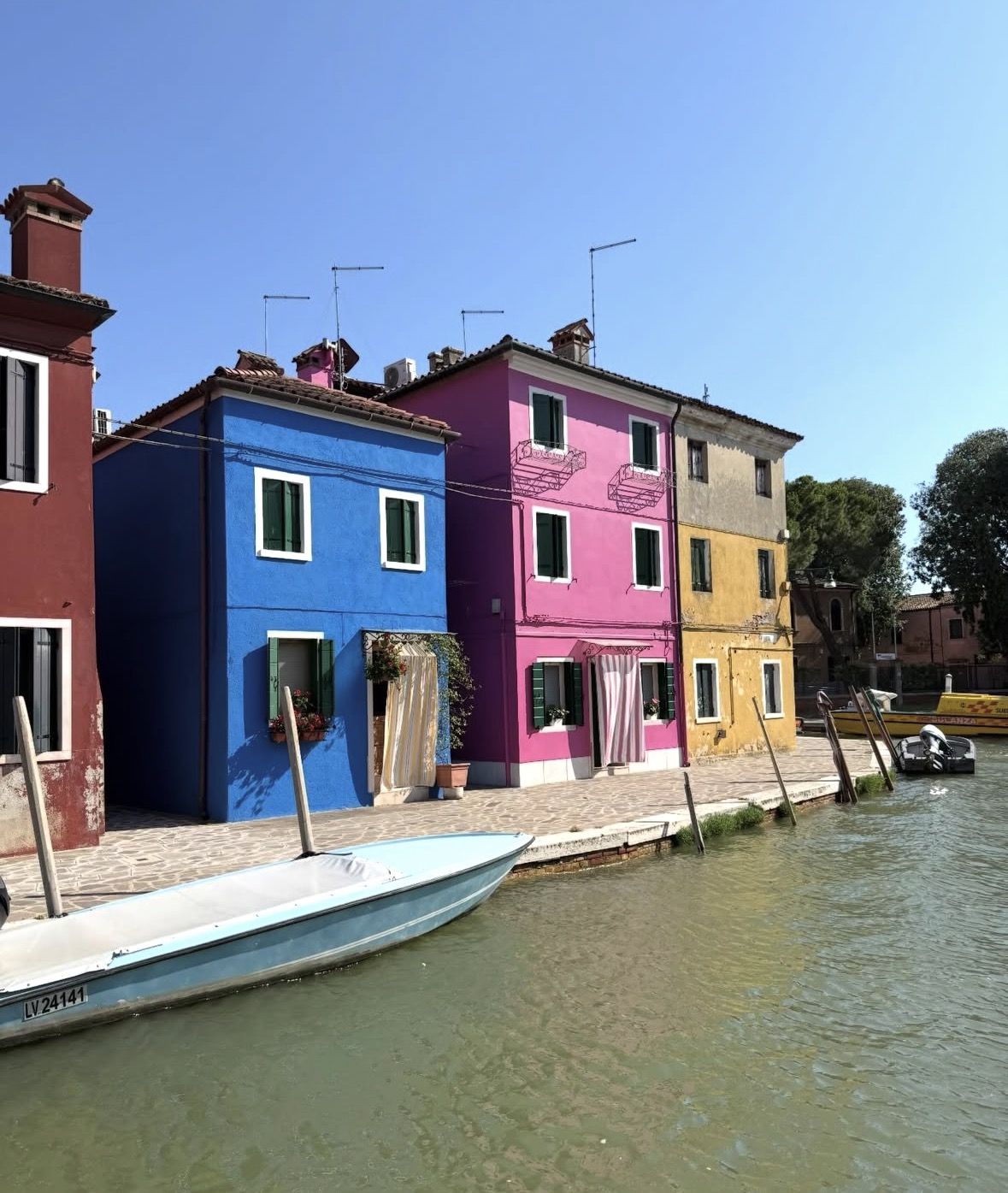
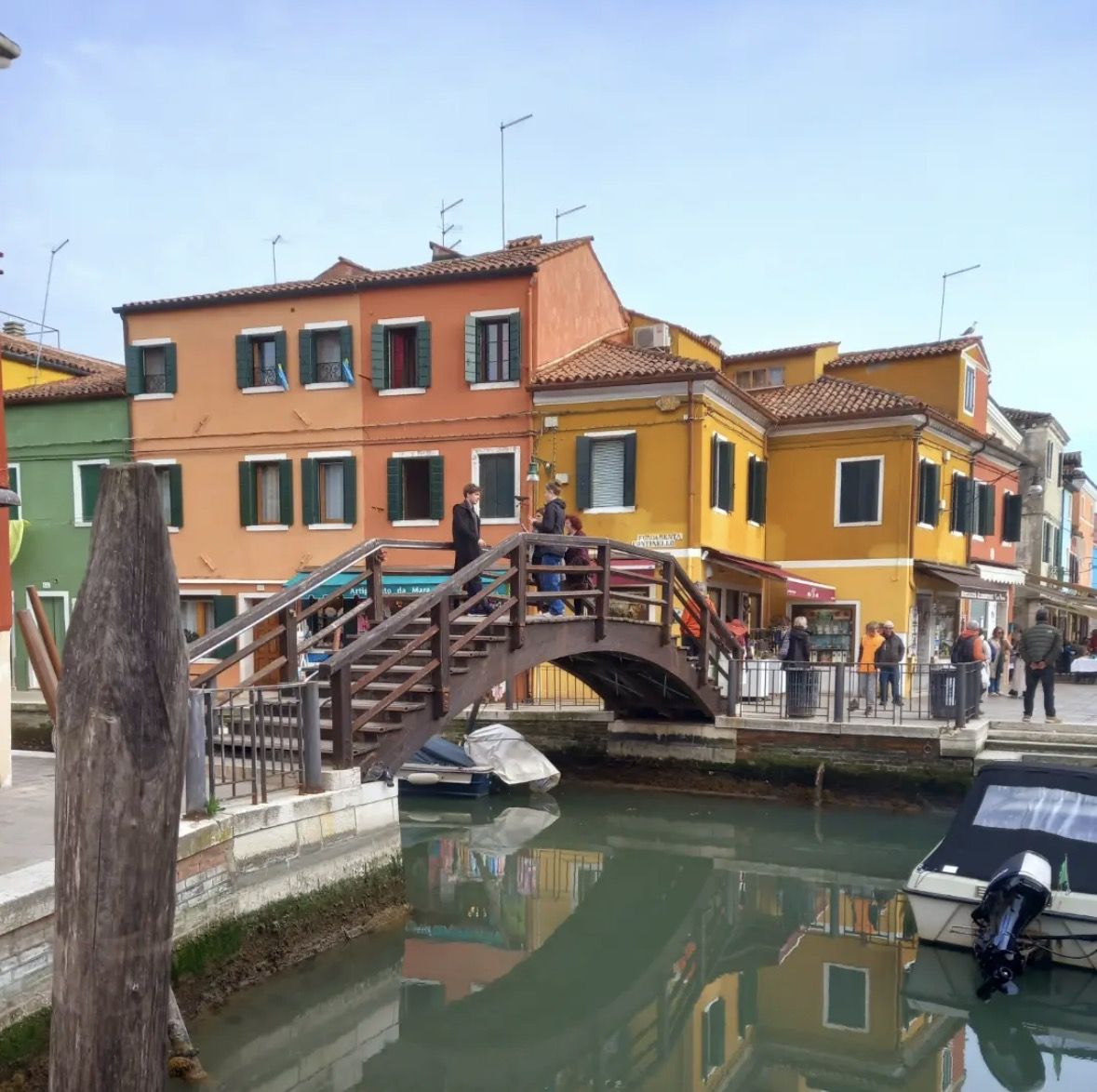
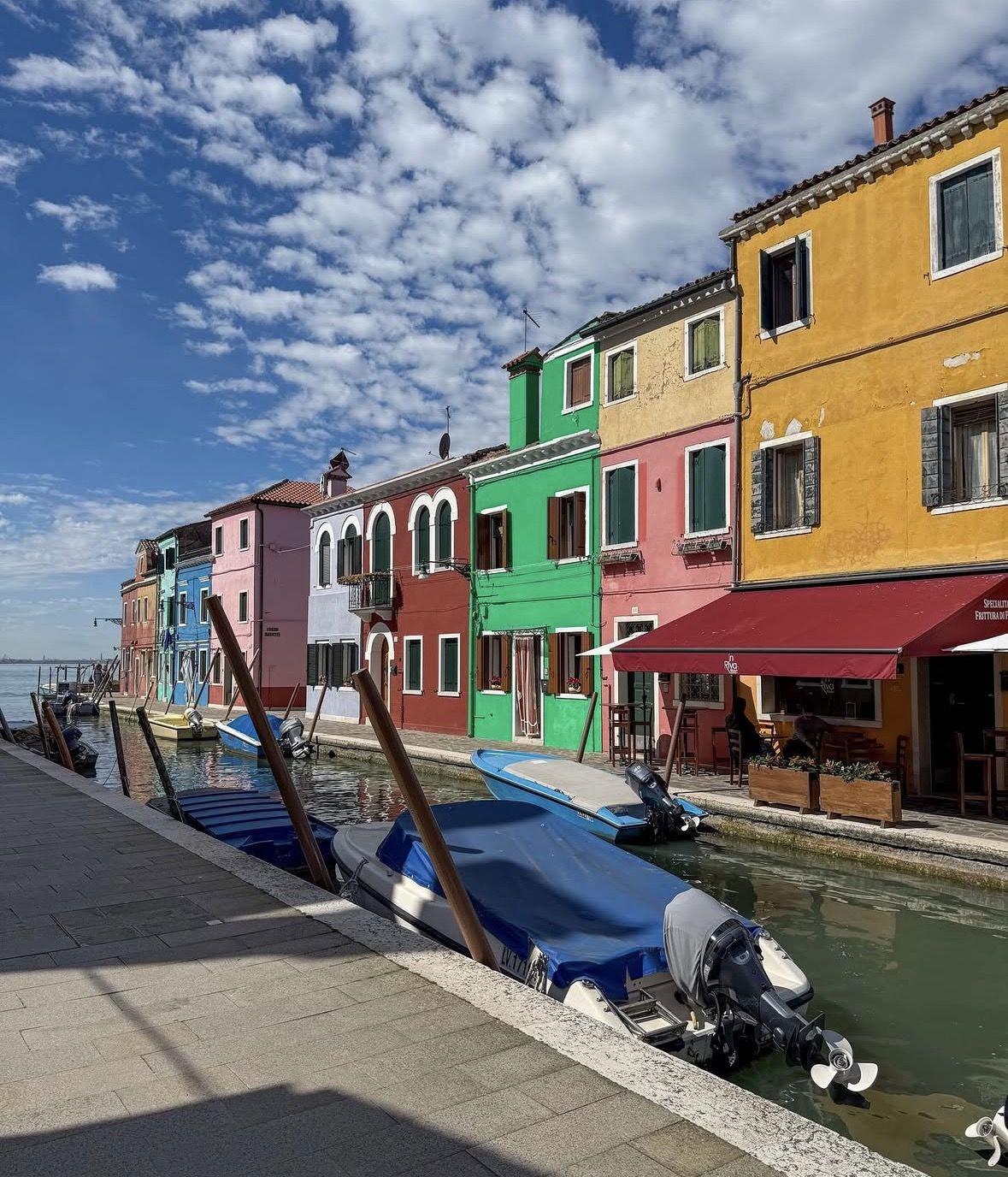
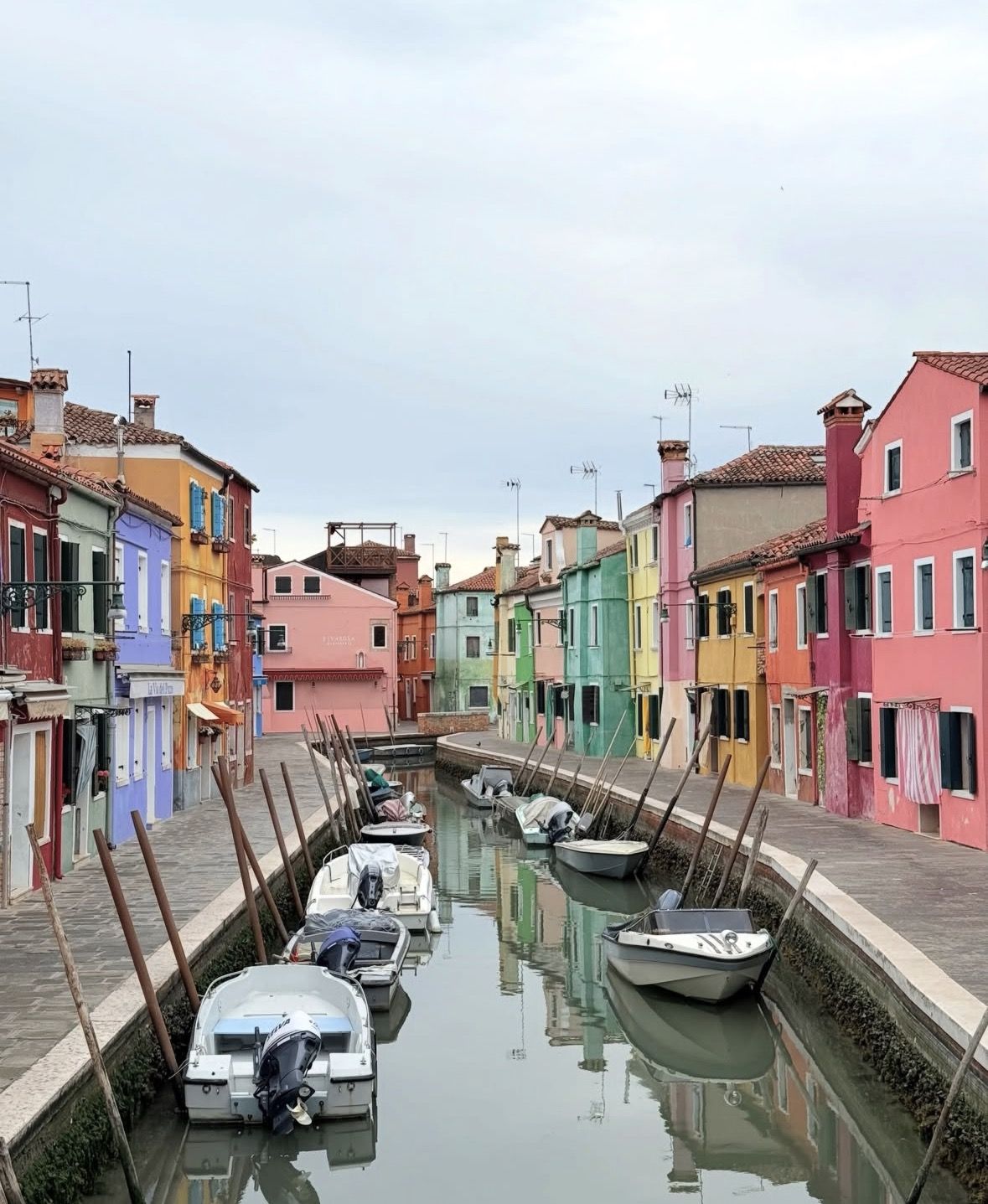
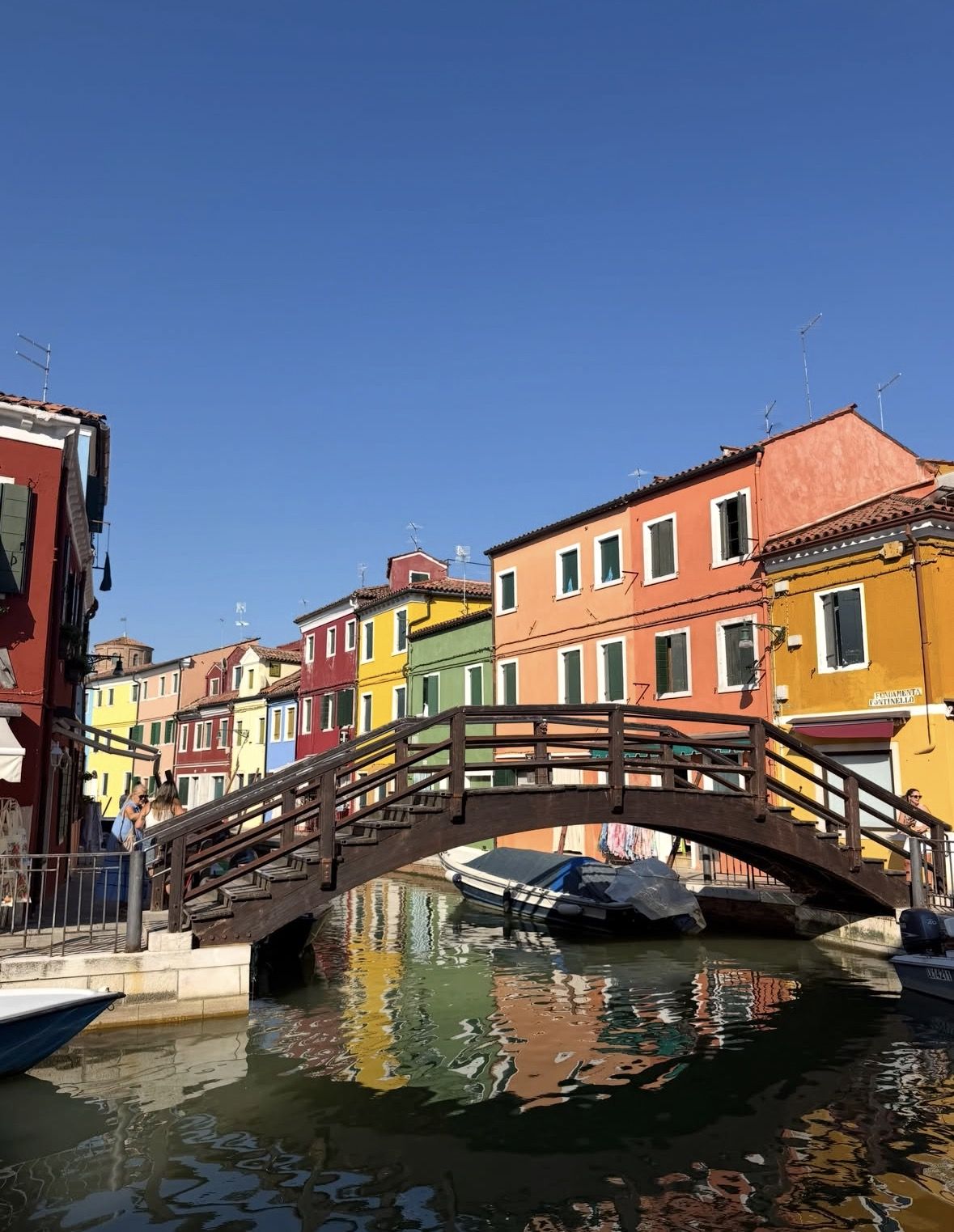
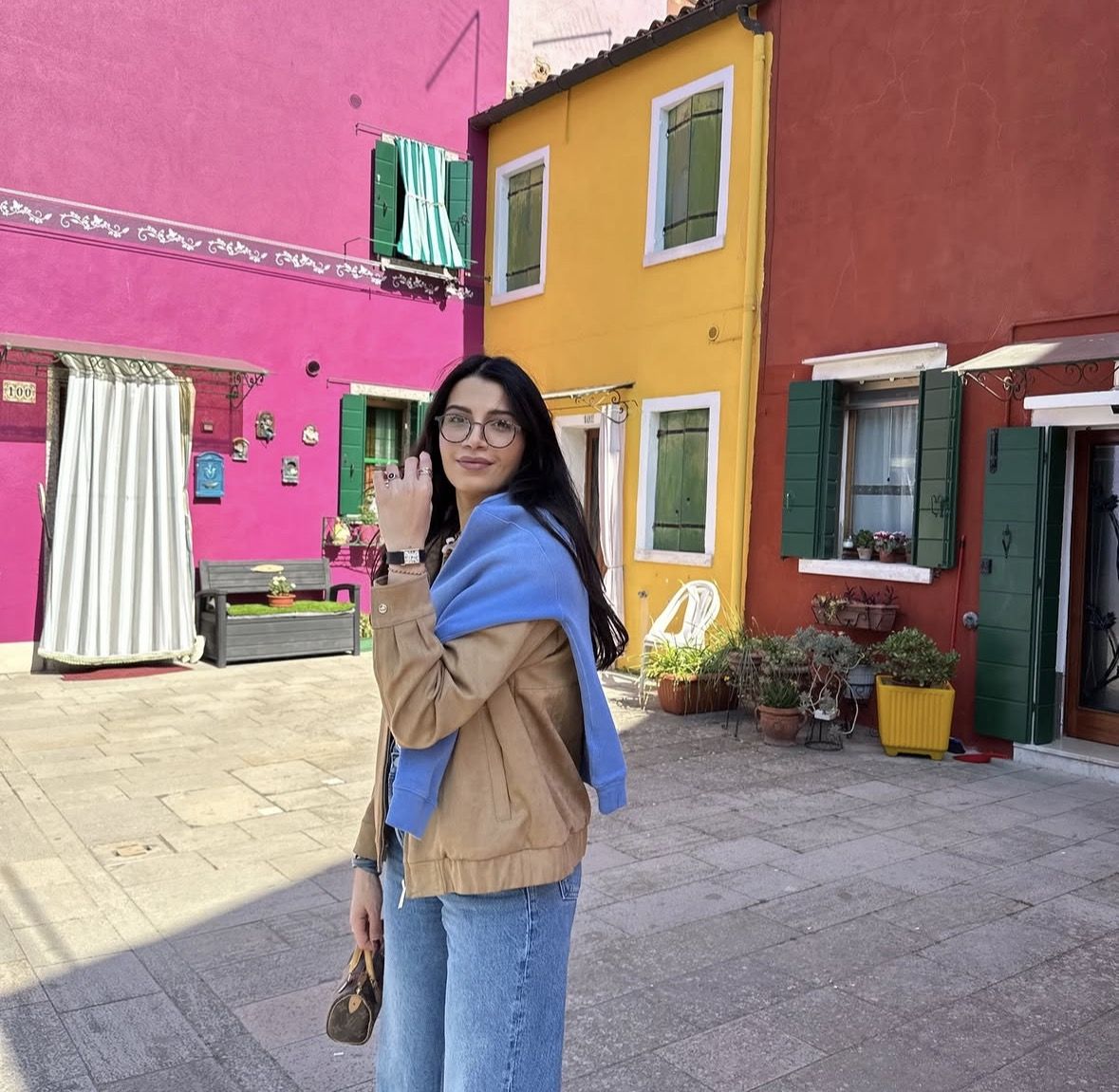
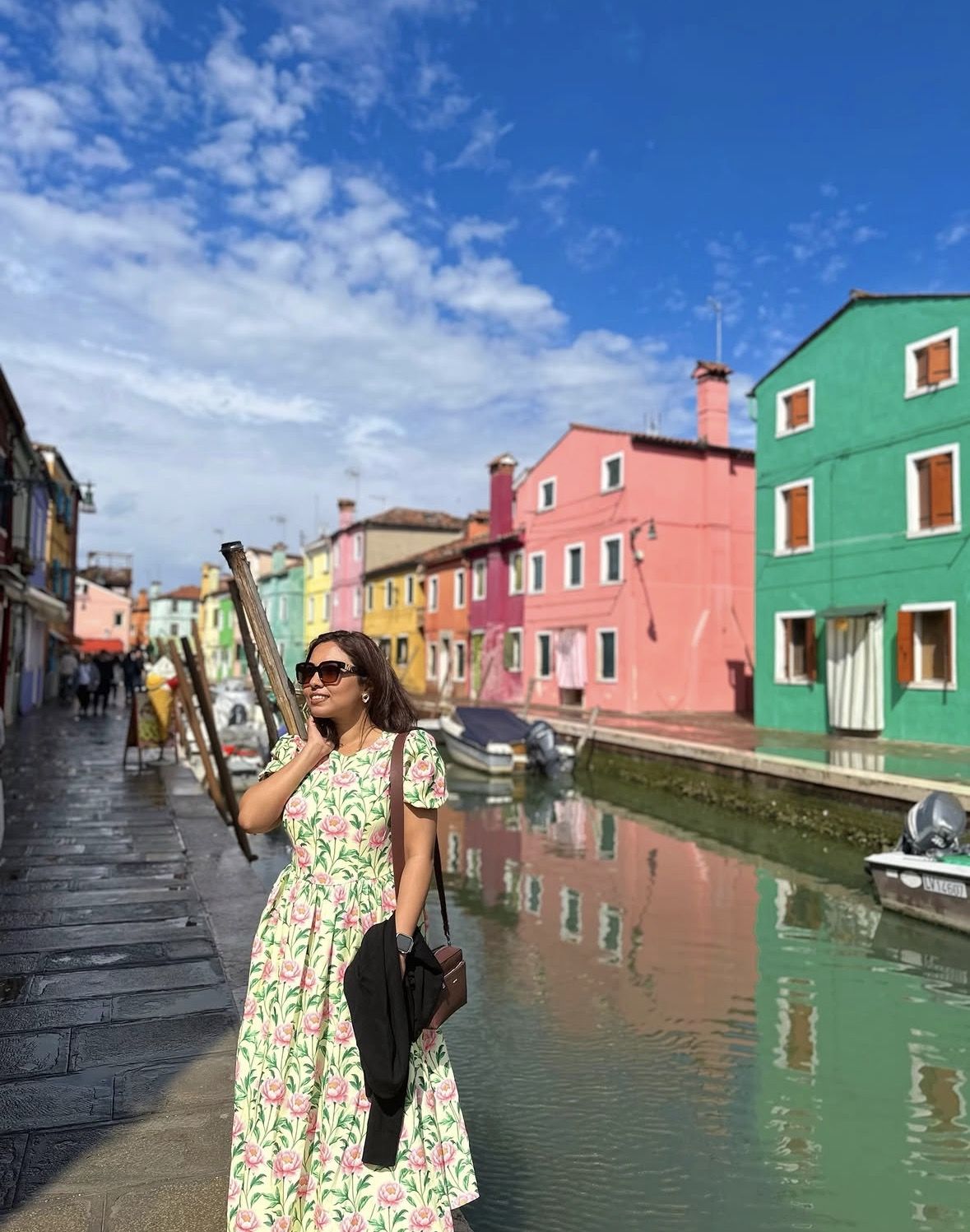
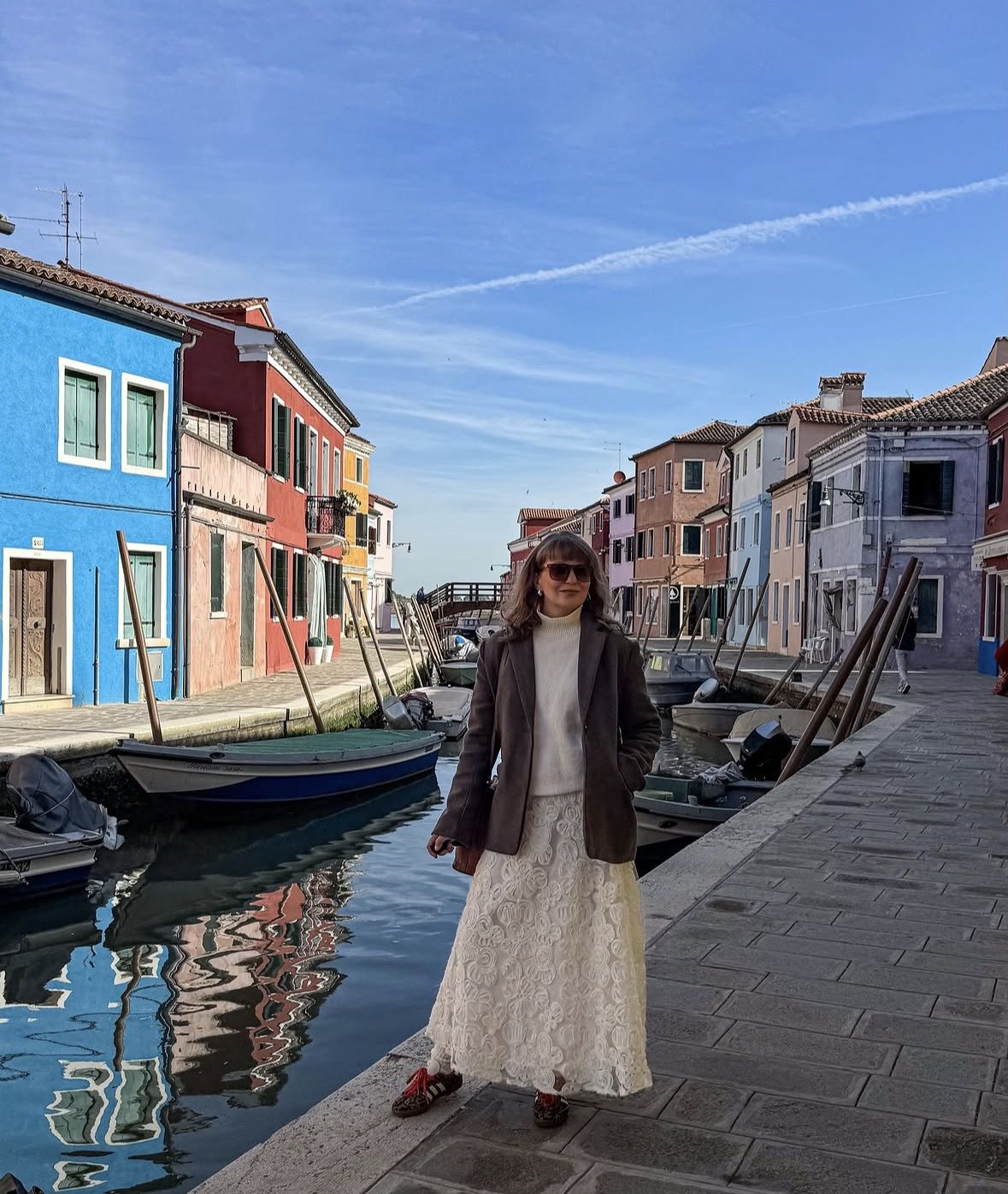
Burano sits a further seven kilometres into the lagoon and is visually unlike anywhere else on earth. Its tradition of brightly painting house facades dates back centuries — local legend says fishermen needed to identify their homes through dense sea fog. The island was once equally celebrated for its intricate needle-point lace, a craft that reached the courts of European royalty in the sixteenth century. Though fewer than 3,000 people live here today, Burano retains a deeply authentic community feel that larger tourist destinations rarely manage to preserve.

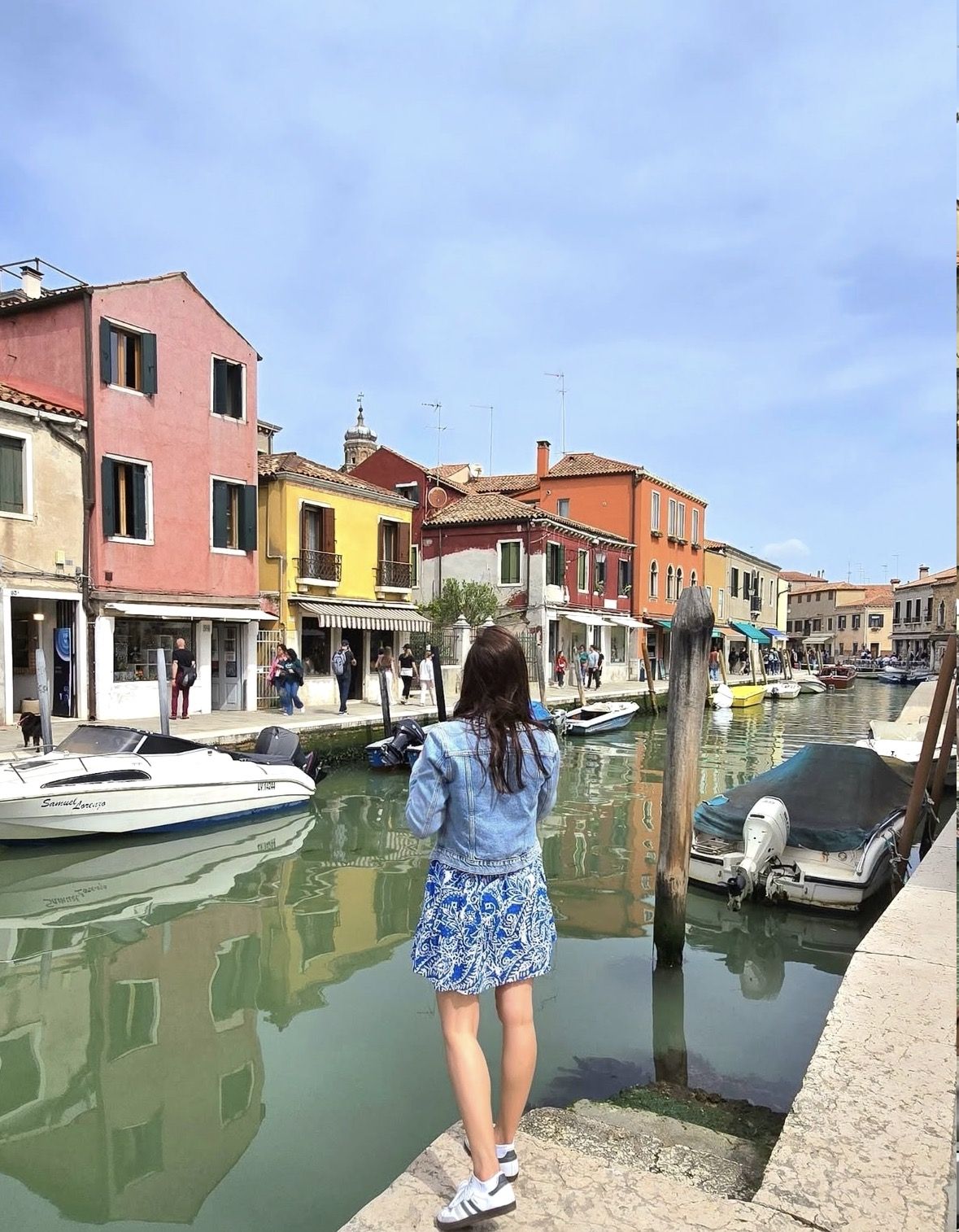
Visitors who experience the two islands together often describe the contrast as one of travel's great pleasures. Murano rewards slow exploration of its glass showrooms, the Gothic church of Santi Maria e Donato with its Byzantine mosaic floor, and quiet fondamenta away from the main drag. Burano invites you to wander freely, getting pleasantly lost among photogenic alleys, sampling the local ring-shaped biscuit called bussolà, and browsing the weekly lace and craft market near the central piazza.

⛴️
Travel time from Venice 45–60 min by vaporetto
🏝️
Combined area ~1.5 km² total
👥
Combined population ~8,000 residents
🏺
Glassmaking history Since 1291 AD
🎨
Burano house colours Officially regulated palette
🕍
Oldest monument Santi Maria e Donato, 7th century
🔥
700+
Years of Murano Glassmaking

The Venetian Republic moved all glass furnaces to Murano in 1291 to protect the city from fires. Glassblowing families were granted noble status in exchange for keeping their techniques secret — penalties for sharing them were severe.

🌈
~100
Officially Approved House Colours on Burano

Every homeowner on Burano must apply to the local government before repainting their facade. The municipality assigns colours based on tradition and neighbourhood harmony, ensuring no two adjacent houses share the same shade.

🧵
16th C.
Height of Burano Lace Fame

Burano's punto in aria needle-point lace was among the most prized luxury goods in Renaissance Europe, adorning the collars of French and Spanish royalty. A single handmade piece could take months to complete and fetch enormous prices.

🐟
1,000+
Years of Fishing Tradition

Both islands have been fishing communities since the earliest Venetian settlements in the fifth and sixth centuries AD. Burano's fishermen still go out at dawn, and fresh-catch seafood remains central to the local diet and restaurant menus.

🏛️
7th C.
Santi Maria e Donato Basilica

One of the oldest churches in the Venetian lagoon, this Murano basilica features a stunning Byzantine-Romanesque mosaic floor dating to 1140 and the reputed bones of the dragon slain by Saint Donatus displayed behind the altar.

🔭
1450
Year of the Murano Lighthouse

The Faro di Murano has guided lagoon traffic for centuries and remains an active navigational aid today. Its surrounding area is a quiet, locals-only corner of the island that most day-trippers never discover.

🔥

Watch a Live Glassblowing Demonstration

Many Murano studios offer free furnace demonstrations where a maestro transforms a molten blob into a vase, horse, or chandelier in minutes. For a hands-on upgrade, book a private glassblowing lesson and take home what you make.

🎨

Photograph Burano's Rainbow Streets

The island is a paradise for photographers at any time of day, but early morning — before the tour boats arrive — offers reflections in the canals and empty alleys bathed in soft light. The Via Baldassarre Galuppi is especially iconic.

🧵

Visit the Museo del Merletto (Lace Museum)

Burano's lace museum inside the sixteenth-century Palazzo del Podestà tells the full story of the island's needle-point tradition through historic pieces and live demonstrations by elderly local lacemakers preserving a dying art.

🍽️

Eat Fresh Seafood at a Canal-Side Trattoria

Both islands have excellent, unpretentious restaurants serving classics like spaghetti alle vongole, grilled branzino, and the Burano speciality risotto di gò (made with goby fish). Book ahead in summer as tables fill fast.

🏛️

Explore the Murano Glass Museum

The Museo del Vetro traces 2,000 years of glass art from Roman pieces to contemporary installations. The collection includes extraordinary Murano chandeliers, millefiori paperweights, and rare archaeological finds from across the lagoon.

Take a Lagoon Boat Tour

A murano and burano in a half day boat tour lets you see both islands from the water as well as on foot. Some operators include lesser-visited spots like Mazzorbo — Burano's vineyard island — or Torcello, the lagoon's oldest settlement.

How Murano and Burano Compare to Similar Island Destinations

Weighing your options across Europe's most iconic island day trips before you decide.

Planning a day trip from a major city often means choosing between several equally tempting island escapes. Murano and Burano stand out for combining two entirely different cultural experiences within a single half-day or full-day excursion, making them especially efficient for time-pressed travellers. This table compares them against three other beloved European island day trips so you can quickly see where each destination wins and whether the lagoon journey fits your travel style and budget.

CrowdsPriceBest ForWhat Sets It Apart
★ Murano and BuranoModerate–High in summer; quieter Oct–Mar€15–€30 vaporetto pass; guided tours €30–€120Art lovers, photographers, craft enthusiasts, familiesTwo contrasting island cultures in one trip — glassblowing meets colour-saturated fishing village
Capri, ItalyVery High June–August; extreme on weekendsFerry €20–€35 each way; overall higher cost of livingLuxury travellers, beach lovers, glamour seekersDramatic cliffs, the Blue Grotto, and high-end shopping — but far more expensive and crowded
Île de Ré, FranceLow–Moderate outside July–AugustBridge toll ~€27 by car; budget-friendly once thereCyclists, beach families, wine loversFlat cycling routes through vineyards and salt marshes — relaxed and spacious rather than cultural
Hydra, GreeceModerate; car-free keeps pace calmFerry from Athens ~€30–€50 return; mid-range overallArtists, hikers, romantics seeking an Aegean escapeCompletely car-free island with donkeys and cobblestone paths — beautiful but fewer hands-on cultural activities

Each of these islands has genuine magic, but Murano and Burano deliver an unusually rich cultural dividend for the time and money invested. Nowhere else can you watch a millennia-old craft performed live, then walk fifteen minutes to streets that look like a painter's fever dream — all within a single afternoon sailing from one of the world's greatest cities. For travellers short on days but hungry for authentic experiences, the choice is clear.

Murano and Burano Everything You Need to Know

Everything you need to know to plan a seamless, stress-free visit to both islands.

How to Get to Murano and Burano from Venice

The primary gateway is Venice's Fondamente Nove waterfront on the northern edge of the city, easily reached by water bus (vaporetto) lines 4.1 and 4.2 from the Grand Canal or by foot from the Rialto area in about 20 minutes. ACTV vaporetto Line 12 connects Murano directly to Burano and continues to Torcello. If you prefer comfort and speed, water taxis depart from multiple points and can reach Murano in under 15 minutes.

Once you arrive at Murano's Colonna or Faro stops, the island is entirely walkable — no vehicles whatsoever. On Burano, everything is equally compact and pedestrian-friendly; the main street, Via Galuppi, connects the ferry pontile to the central piazza in about five minutes on foot. If you have booked a murano and burano islands tour, your operator will typically handle all water transfers and landing logistics for you.

  • 🚤 ACTV Vaporetto Line 4.1/4.2 from Fondamente Nove to Murano (7 min, every 10–12 min)
  • ⛴️ ACTV Vaporetto Line 12 from Murano Faro to Burano (30 min direct)
  • 🚕 Private water taxi: fastest option, ~€70–€100 per boat one-way, fits up to 10 people
  • 🎟️ Buy a 24-hour or 48-hour ACTV travel card for unlimited vaporetto rides across the lagoon
  • 🗺️ Validate your vaporetto ticket before boarding — inspectors issue on-the-spot fines
  • 🛳️ Guided tour boats depart from San Marco, Tronchetto, or Fondamente Nove depending on operator
  • 🚶 Both islands are fully pedestrian — no bikes, scooters, or cars allowed on either
ACTV vaporetto water bus arriving at Murano island ferry stop in the Venice lagoon

Best Time of Year to Visit the Islands

April through early June and September through October are the sweet spots — mild temperatures between 16°C and 24°C, manageable crowds, and excellent light for photography. July and August bring peak visitor numbers and queues at popular glass studios, but also open-air events and longer daylight hours. November through March is the quietest period: prices drop significantly, the islands feel genuinely local, and the chance of witnessing Venice's dramatic acqua alta flooding adds an unexpected adventure.

Venice's lagoon climate is humid and temperate, shaped by the Adriatic Sea. Spring brings occasional showers but vibrant colours as flowers bloom along canals. Summer is hot and humid with temperatures regularly exceeding 30°C. Autumn brings crisp air, grape harvest aromas, and spectacular sunsets over the lagoon. Winter can feel raw and misty, but that atmospheric fog — the nebbia — transforms the islands into something almost otherworldly, and many travellers consider it the most romantic season of all.

  • 🌸 April–June: ideal weather, moderate crowds, great for photography — best overall window
  • ☀️ July–August: hottest and busiest; book tours and restaurants well in advance
  • 🍂 September–October: excellent balance of warmth and manageable tourist numbers
  • ❄️ November–March: fewest tourists, lowest prices, atmospheric fog — acqua alta risk in Nov–Dec
  • 🌊 Acqua alta (high water) season peaks Oct–Jan; wear waterproof boots or buy cheap plastic covers locally
  • 🎭 Carnival (February): Venice fills up but the islands remain relatively peaceful escape options
  • 🌅 Visit Burano at sunrise or late afternoon for the best light on the coloured houses
Golden autumn light reflecting off the colourful canal-side houses of Burano island in October

What to Pack for Your Island Day Trip

The islands demand comfortable footwear above all else — cobblestones and narrow bridges mean every step counts. Bring a reusable water bottle, as tap water in Venice is safe and free fountains (fontanelle) are dotted throughout both islands. A lightweight day bag is sufficient; you will not need large luggage. If you plan to enter churches, carry a scarf or light jacket to cover bare shoulders, as dress codes are enforced even in warm weather.

Sun protection is critical between May and September when the lagoon's reflective water intensifies UV exposure dramatically. A compact rain jacket packs down small and rescues you from the sudden afternoon showers common in spring and autumn. Photography enthusiasts should bring a polarising lens filter to cut glare on the canals. If you are buying glass souvenirs, ask studios for professional bubble-wrap packaging — quality vendors provide it free and it makes all the difference getting pieces home intact.

  • 👟 Flat, comfortable walking shoes — heeled footwear on cobblestones is actively dangerous
  • 🧴 High-SPF sunscreen + UV sunglasses (lagoon water doubles reflected UV exposure)
  • 🧣 Lightweight scarf or shawl for church entry (mandatory shoulder and knee coverage)
  • 🌂 Compact foldable rain jacket — spring and autumn showers appear without warning
  • 💳 Credit/debit card — most studios, restaurants, and shops accept contactless payment
  • 📷 Camera with polarising filter for glare-free canal and glass reflection shots
  • 🧴 Insect repellent for evening visits, especially near the lagoon edges in summer
  • 🛍️ Extra padded bag or bubble-wrap for fragile Murano glass purchases
Day trip essentials laid out including walking shoes, sunscreen, scarf, and camera for a Venice lagoon island visit

Local Tips, Etiquette & Insider Advice

Locals on both islands live full-time working lives alongside tourism — treat their home with the same respect you would show any residential neighbourhood. Do not sit on private doorsteps for photos, keep voices low in residential alleys, and always ask permission before photographing people. Tipping is appreciated but not mandatory in Italy; rounding up the bill or leaving a euro or two per person is the customary gesture in trattorie and cafés.

Glass factories on Murano range from genuine artisan workshops to tourist-focused shops selling mass-imported goods from China. A reliable rule: if the price seems impossibly low, it probably is not hand-made locally. Look for the 'Vetro Artistico® Murano' trademark, a government-issued quality mark on authentic pieces. On Burano, buy lace only from elderly local women demonstrating the craft in person — machine-made lace is widely sold and looks identical to the untrained eye.

  • 🏷️ Look for the official 'Vetro Artistico® Murano' seal on glass to confirm local authenticity
  • 🧵 Purchase Burano lace only from certified local artisans — machine-made imitations are rampant
  • 📸 Ask before photographing residents — most are friendly but privacy is genuinely valued
  • 🍪 Try bussolà, Burano's traditional ring-shaped biscuit — perfect with an espresso and often sold warm
  • ⏰ Arrive at Murano before 10 am to see glass demonstrations before group tours flood in
  • 🚤 A day trip to Murano and Burano can be self-guided — you do not need a tour, but guides add significant context
  • 💬 Basic Italian phrases go a long way; locals appreciate any attempt, however imperfect
Elderly Burano woman demonstrating traditional needle-point lace-making at a wooden frame outside her colourful home

Health, Safety & Emergency Information

Italy requires no special vaccinations for EU or most Western visitors, but travel health insurance is strongly recommended for all nationalities. The European Health Insurance Card (EHIC) covers EU citizens for emergency medical care. Venice's nearest full hospital is the Ospedale Civile SS. Giovanni e Paolo, a 10-minute vaporetto ride from Fondamente Nove. Both islands have no hospitals of their own, though Murano has a small medical clinic for minor issues. Always carry your insurance documents and any prescription medications in your hand luggage.

Both islands are very safe for tourists; petty theft is far less common here than in busy Venice centro storico areas, but standard vigilance applies — keep bags zipped and phones stored when not in use. The main physical hazards are uneven cobblestones, slippery canal edges, and the boat gangways during boarding and alighting. Children and elderly visitors should be assisted at vaporetto stops, especially during choppy winter lagoon conditions. Emergency services number in Italy: 112 (all services).

  • 🏥 Nearest hospital: Ospedale Civile SS. Giovanni e Paolo, Venice (10 min by vaporetto from Fondamente Nove)
  • 📞 Italian emergency number: 112 (police, fire, ambulance — English-speaking operators available)
  • 💊 Carry all prescription medications in original labelled packaging for smooth customs and pharmacy visits
  • 🧊 Stay hydrated in summer — dehydration sets in quickly on open water under direct lagoon sun
  • 👟 Watch for slippery algae on canal steps and boat gangways, particularly after rain
  • 🦟 In warm months, use DEET-based insect repellent near the lagoon edges at dusk to avoid mosquitoes
  • 🌊 During acqua alta flooding, follow raised wooden walkway signs and buy cheap waterproof boot covers locally
Safety signage and raised walkway platforms at a Venice lagoon vaporetto stop during acqua alta high water season

All Tours

Round out your Venetian lagoon adventure with these extraordinary destinations just a short boat ride away.

Murano and Burano What Visitors Are Saying

Travellers who joined a guided day trip to Murano and Burano share their favourite moments from the Venetian lagoon.

★★★★★

"This was hands down the highlight of our entire Italy trip. Our guide was incredibly knowledgeable about the history of glassblowing and took us to a genuine family-run furnace where we watched a master craftsman shape molten glass into a stunning vase. Burano's painted houses were even more vivid in person than in any photograph I'd seen. The private boat made the whole experience feel special and completely stress-free."

SM
Sarah M.April 2025
★★★★★

"I had worried that a half-day on the lagoon islands wouldn't be enough time, but the itinerary was perfectly paced. We spent about ninety minutes on the first island watching a live glassblowing demonstration and browsing the workshops, then crossed to the second island for lunch and a stroll along the canals. The colours of the fishermen's cottages were absolutely magical in the afternoon light. I would recommend booking early because spots fill up fast."

JR
James R.June 2025
★★★★☆

"Overall a wonderful experience that I'd happily repeat with family. The boat ride across the lagoon gave us beautiful views of Venice from the water, which alone was worth the price. Our guide was friendly and informative, though I wish we'd had a little more free time in Burano to explore the lace shops at our own pace. Still, the tour covered everything the listings promised and the small group size made it feel personal."

LF
Lucia F.May 2025
★★★★★

"We chose a private boat for the two of us as a anniversary treat and it genuinely exceeded expectations. The skipper adjusted the route to show us quieter corners of the lagoon before docking at each island, which felt wonderfully exclusive. Watching a glassblower create a delicate horse figure from scratch was mesmerising and took about twenty minutes from start to finish. Burano was charming and surprisingly peaceful once we moved away from the main square."

DK
David K.September 2025
★★★★★

"Our family of five — including two teenagers who are notoriously hard to impress — all agreed this was the best excursion of the whole holiday. The glassblowing demonstration sparked a genuine fascination in my son, who now wants to study craft design. The islands themselves feel like stepping into a different, slower world compared to the bustle of Venice's main streets. I can't imagine visiting the lagoon area without doing something like this."

PN
Priya N.August 2025
★★★★☆

"A really enjoyable way to spend a morning on the water. The departure point was easy to find and the guide provided clear context about why each island developed its distinct craft tradition — something I hadn't fully appreciated before. I docked a star only because the glassware shop at the furnace was quite pushy about sales, though you're under no obligation to buy anything. The scenery throughout was gorgeous and I returned to Venice with some beautiful photos."

TB
Thomas B.July 2025
★★★★★

"What a gem of a day trip this turned out to be. We joined a small group of eight people, which meant the guide could tailor explanations and answer every question without rushing. The lacemaking museum on Burano was a surprise highlight — I hadn't expected it to be so absorbing. Everything from the boat transfer to the final drop-off ran like clockwork, and the guide's passion for Venetian lagoon culture was genuinely infectious."

CO
Claire O.October 2025
★★★★★

"We booked a morning departure and were back in Venice with plenty of time to explore the city in the afternoon, so the timing worked perfectly for a one-day itinerary. The glassblowing demonstration was theatrical and impressive, and the artisan we watched had clearly spent decades perfecting his skill. Burano's canal-side restaurants served some of the freshest seafood I've tasted in all of Italy. Absolutely worth every euro."

HS
Hana S.March 2025

Watch the Islands Come Alive

See glassblowing masters, rainbow canals, and lagoon sunsets in this stunning visual guide to the two islands.

YouTube video thumbnail showing a master glassblower at work on Murano and the colourful canal houses of Burano

Find Murano and Burano

Murano island is located at Isola di Murano, 30121 Venice, Italy; Burano island lies further northeast at Isola di Burano, 30142 Venice, Italy — both accessible by vaporetto from Venice's Fondamente Nove waterfront.

Murano and Burano Frequently Asked Questions

Everything you need to know before visiting the iconic lagoon islands, from booking tips to what to expect on the water.

Most organised tours run between four and six hours in total, including travel time across the lagoon. A half-day boat tour usually departs in the morning and returns to Venice by early afternoon, giving you the rest of the day free. If you opt for a full-day itinerary you may also visit the island of Torcello, which adds roughly ninety minutes. Always check the specific schedule when booking so you can plan the rest of your Venice visit accordingly.
Spring (April to June) and early autumn (September to October) are widely considered the best seasons, with mild temperatures, good light for photography, and fewer crowds than the peak summer months. July and August can be very hot and busy, though departures are more frequent during that period. Winter visits have a moody, atmospheric charm and significantly smaller queues, but some smaller shops and restaurants may have reduced hours. Aim for a weekday departure whenever possible to avoid weekend crowds.
Independent travellers can reach both islands by public vaporetto, but a guided tour adds context and convenience that most visitors find worth the extra cost. A knowledgeable guide explains the centuries-old craft traditions behind glassblowing and lacemaking, which transforms what might otherwise feel like a shopping trip into a genuinely educational experience. Guided small-group tours also handle logistics like timed entry to furnaces and priority boarding, saving considerable time. If privacy is a priority, a private boat to the two islands lets you set your own pace entirely.
Demonstrations typically last fifteen to thirty minutes and take place inside a working furnace, where temperatures can reach over 1,000 °C. A master glassblower — known locally as a maestro — will shape molten glass into an ornament or vessel using only a blowpipe and simple hand tools, narrating or having a guide explain each stage. The experience is genuinely impressive and moves quickly, so try to position yourself near the front for the best view. After the demonstration you'll usually be invited to browse the adjoining showroom, but there is never any obligation to purchase.
Yes — a well-designed half-day boat tour is enough time to see the main highlights of both islands without feeling rushed. Most half-day itineraries allocate roughly ninety minutes on each island, which is sufficient for a glassblowing demonstration, a walk along the canals, and a short browse of local shops. If you want to visit a lacemaking museum, enjoy a leisurely lunch, or explore the quieter back streets, a full-day itinerary gives you more breathing room. The murano and burano in a half day boat tour format is especially popular with travellers who are only in Venice for one or two nights.
The most common options are the public vaporetto water bus (lines 4.1, 4.2, 12, and 13 depending on your destination), a shared tour boat, or a private water taxi. Vaporetto tickets are affordable but journeys can be slow and crowded, especially in summer. Joining an organised murano and burano islands tour typically means boarding a dedicated vessel that takes a more direct route and includes a guide throughout. Private water taxis are the fastest and most flexible option, ideal for couples or families who want a bespoke experience.
Absolutely — the live glassblowing demonstration tends to be a favourite with children of all ages, and the brightly coloured houses of the second island make for an exciting visual adventure. Boat rides across the open lagoon are generally calm and enjoyable, though very young children may need sun protection and a snack on board. Most tour operators welcome families and some specifically offer child-friendly itineraries with shorter walking distances. It's worth checking the minimum age policy if you're travelling with a toddler, as some private boat experiences have specific guidelines.
A private boat to Murano and Burano gives you exclusive use of the vessel, so you can depart at a time that suits you and spend as long as you like at each stop. Group tours are more economical and often more social, with a fixed itinerary shared among typically eight to fifteen travellers. Both formats include a guide and access to glassblowing demonstrations; the main difference is flexibility versus price. Private options are particularly popular for special occasions like anniversaries or honeymoons, while group tours are great for solo travellers who enjoy meeting fellow explorers.
Authentic Murano glass and Burano lace are genuine craft traditions with centuries of history, making them among the most meaningful souvenirs you can bring home from the Venice region. To ensure authenticity, look for the official 'Vetro Artistico® Murano' trademark on glassware and ask about the maker's background before purchasing lace items. Prices vary enormously — a small glass bead pendant might cost a few euros, while a large decorative piece can run into hundreds. Buying directly from a workshop rather than a tourist stall usually guarantees better quality and a more interesting story behind the piece.
Booking at least a few days ahead is strongly recommended, especially during spring and summer when popular tours sell out quickly. Private boat experiences and small-group guided tours often have limited capacity, so last-minute availability can be scarce in peak season. Many operators allow free cancellation up to 24 or 48 hours before departure, making advance booking low-risk. Checking reviews and comparing departure times before you book helps ensure the itinerary fits your broader Venice schedule.

Ready to discover the magic of the Venetian lagoon for yourself?

Book Your Tour Now

The Centuries-Long Story Behind the Two Islands

From the medieval decree that turned Murano into the glassblowing capital of the world to the fishing families who painted their homes in defiant colour, the history of these two lagoon islands is as vivid as their facades. Understanding their past transforms every furnace, every lace stitch, and every painted wall into something far richer than a photo opportunity.

📅 Book Now